Introduction
Navigating debilitating back stiffness or sudden shooting neural pains can make simple daily tasks feel completely overwhelming. Finding appropriate medical care becomes an urgent priority when conservative therapies no longer provide adequate pain relief. Searching through endless digital listings often leaves patients feeling confused, stressed, and uncertain about their next medical step.
That is why evaluating medical infrastructure with clear parameters is essential for long-term health outcomes. Dedicated medical hubs offer advanced diagnostic tools and specialized surgical expertise to restore mobility effectively. Understanding how to evaluate these institutions allows you to take full control of your recovery journey with total confidence and clarity.
Understanding Spine Care Before Choosing a Hospital
Spine care encompasses a vast spectrum of medical approaches ranging from non-invasive physical therapy to highly complex neural reconstructive procedures. Medical professionals always emphasize conservative management, including targeted physical rehabilitation, lifestyle adjustments, and precise epidural injections, before considering any surgical intervention.
Knowing when non-invasive therapies have reached their limit helps you transition smoothly toward direct specialist evaluations. A well-organized facility evaluates your entire musculoskeletal system rather than focusing solely on isolated radiological images. This complete perspective ensures that every treatment recommendation aligns perfectly with your everyday functional goals and overall physical health.
What Makes a Spine Hospital Worth Considering?
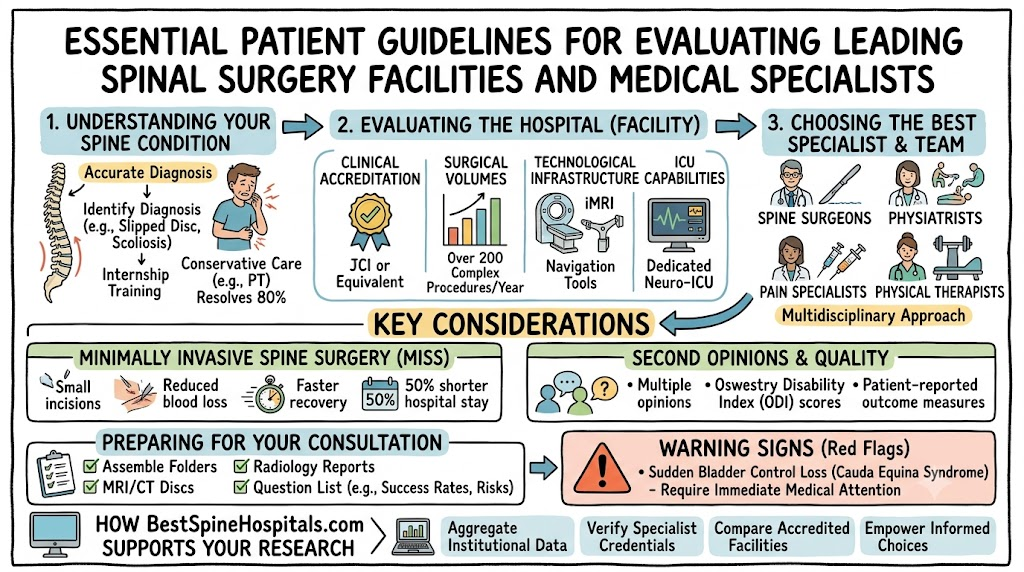
An exceptional medical facility stands out through its modern technological infrastructure, dedicated clinical staff, and commitment to total patient safety. Cutting-edge diagnostic equipment, such as high-resolution MRI scanners and intraoperative CT imaging, allows surgical teams to map delicate neural pathways with remarkable precision.
Beyond equipment, superior institutions maintain low infection rates, transparent success metrics, and structured post-operative rehabilitation programs. Research shows that specialized centers handling high surgical volumes consistently achieve significantly better functional outcomes and lower complication rates compared to general healthcare facilities.
How to Find the Best Spine Surgery Hospitals
Identifying top-tier institutions requires looking beyond simple commercial advertising to examine verified clinical credentials and patient satisfaction scores. Begin by reviewing institutional accreditations from recognized medical boards that mandate strict safety protocols and continuous quality monitoring across all departments.
You should also look into clinical research contributions, surgical volume metrics, and patient-reported outcome measures. Reputable healthcare facilities actively publish their safety records and infection control statistics openly. Evaluating these objective criteria ensures that you select an institution dedicated to maintaining elevated clinical standards.
Choosing the Best Hospital for Spine Surgery
Selecting a facility for complex procedures requires matching your specific diagnosis with an institution’s specialized clinical strengths. Certain facilities excel in intricate reconstructive procedures, while others focus heavily on outpatient endoscopic routines and rapid functional recovery protocols.
Consider practical logistical factors such as geographical proximity, direct insurance coverage, and integrated post-surgical physical therapy services. A seamless continuum of care from initial consultation through long-term physical rehabilitation is essential for achieving a complete and comfortable functional recovery.
Searching for the Best Spine Hospital Near Me
Searching for local healthcare options requires balancing immediate physical convenience with verified institutional quality. While having a facility nearby simplifies frequent post-operative appointments and physical therapy sessions, overall surgical expertise must remain your absolute top priority.
Local primary care physicians and regional physical therapists often provide valuable recommendations based on real patient recovery outcomes. Combining regional physical accessibility with top-tier surgical standards ensures you receive excellent care without introducing unnecessary travel stress into your recovery process.
Understanding Minimally Invasive Spine Surgery
Minimally invasive techniques have revolutionized modern orthopedic and neurological care by utilizing tiny surgical incisions, specialized tubular retractors, and micro-endoscopic cameras. These advanced methods allow surgeons to access damaged discs without cutting through major stabilizing back muscles.
| Surgery Type | Incision Size | Muscle Damage | Average Recovery Time |
|---|---|---|---|
| Traditional Open Surgery | 5 – 7 inches | Significant cutting and detachment | 3 – 6 months |
| Minimally Invasive Surgery (MISS) | 0.5 – 1.5 inches | Minimal stretching and splitting | 2 – 6 weeks |
Clinical studies indicate that patients undergoing minimally invasive procedures experience substantially lower intraoperative blood loss, reduced post-operative discomfort, and significantly shorter hospital stays compared to traditional open surgeries.
Finding the Best Hospital for Scoliosis Surgery
Scoliosis correction demands exceptional surgical precision, sophisticated real-time intraoperative neuromonitoring, and extensive experience in complex structural spinal alignment. Leading pediatric and adult deformity centers utilize advanced 3D visual modeling to plan complex corrective procedures down to the millimeter.
Evaluating a facility’s experience with dynamic spinal tethering, growing rod technology, and complex multi-level fusions is critical when dealing with severe curvature. Highly specialized teams drastically reduce surgical risks while ensuring optimal long-term postural balance and respiratory function.
Finding the Best Hospital for Slipped Disc Treatment
Herniated discs require a clear, stepped care framework ranging from non-surgical spinal decompression to microscopic discectomy procedures. Top facilities utilize advanced conservative management protocols first, reserving surgical intervention strictly for persistent neurological deficits or intractable pain.
- Interventional Pain Specialists: Perform targeted fluoroscopic epidural injections to reduce acute nerve root inflammation.
- Microscopic & Endoscopic Surgeons: Perform precise, micro-incision disc removals when nerve compression causes progressive muscle weakness.
- Rehabilitation Therapists: Design customized core-stabilization routines to prevent future disc re-herniations.
The Role of Spine Surgeons
Surgeons serve as pivotal leaders within your broader spinal healthcare team, guiding diagnostic interpretation and executing precise interventions. Both fellowship-trained orthopedic surgeons and neurosurgeons bring distinct, highly valuable expertise to complex spinal conditions.
- Orthopedic Spine Specialists: Focus extensively on bone alignment, structural deformities, scoliosis corrections, and complex fusion hardware.
- Neurosurgical Spine Specialists: Bring specialized expertise to intradural tumors, spinal cord pathologies, and delicate nerve root micro-dissections.
- Interventional Spine Specialists: Manage non-surgical structural corrections, diagnostic discography, and radiofrequency ablations.
Why a Multidisciplinary Spine Team Matters
Complex spinal issues rarely exist in isolation; they affect surrounding musculature, localized peripheral nerves, and overall movement mechanics. A multidisciplinary clinical model brings together various medical specialists to build comprehensive, highly personalized treatment plans.
Collaboarative case reviews between orthopedic experts, neurosurgeons, pain management physicians, physical therapists, and physiatrists eliminate diagnostic blind spots. This integrated approach prevents unnecessary surgical procedures and guarantees that every non-surgical management option is thoroughly explored first.
Questions to Ask During a Spine Hospital Consultation
Entering a specialist consultation with well-structured questions empowers you to make informed decisions about your medical care. Direct communication helps clarify procedural expectations, potential risks, and realistic recovery timelines.
- How many times has your clinical team performed this specific procedure over the past year?
- What are the statistically expected complication rates and infection prevention protocols for this surgery?
- What specific non-surgical or minimally invasive alternatives remain available for my condition?
- What does the complete post-operative physical rehabilitation timeline look like for my daily lifestyle?
Why a Second Opinion Can Be Valuable
Seeking an independent second opinion before committing to major surgical intervention is a smart, standard medical practice. Different specialists often offer fresh perspectives on complex diagnostic scans or suggest innovative, less invasive therapeutic alternatives.
Independent medical evaluations help confirm original diagnoses, validate proposed surgical techniques, or introduce non-surgical management frameworks you may not have considered. Top surgeons welcome second opinions because they promote transparency, build patient trust, and lead to better overall health outcomes.
Comparing Hospitals for International Spine Treatment
Traveling internationally for specialized medical care requires rigorous research into global institutional accreditations, clinical staff language proficiencies, and travel safety protocols. Renowned global medical destinations offer world-class clinical care using modern technological innovations.
Ensure that international facilities hold gold-standard global accreditations that mirror strict domestic medical requirements. Additionally, arrange comprehensive post-operative travel plans and establish clear local follow-up care pathways before committing to international medical travel.
Understanding Hospital Quality
Hospital quality metrics provide objective data that reveals an institution’s commitment to patient safety and clinical excellence. Standardized quality scores evaluate clinical outcomes, readmission rates, post-operative infection prevention, and patient experience ratings.
Public health databases and independent medical accreditation bodies regularly publish detailed performance scorecards for surgical centers. Reviewing these verified metrics allows you to select a facility that consistently meets or exceeds national health safety benchmarks.
Cost Should Be Considered Carefully
Financial planning for complex medical procedures involves understanding insurance coverage limits, out-of-pocket deductibles, facility fees, and potential post-surgical rehabilitation costs. Medical expenses can accumulate quickly if not planned carefully in advance.
Request itemized cost estimates from hospital billing departments that cover surgeon fees, anesthesia costs, operating room utilization, and required medical devices. Clear financial communication prevents unexpected medical bills, allowing you to focus entirely on your physical recovery.
Preparing for a Spine Hospital Visit
Thorough personal preparation ensures that your initial specialist consultation is productive, focused, and informative. Organise all previous medical records, physical therapy notes, and high-resolution imaging discs chronologically before your appointment.
Document your complete medical history, including current medications, prior surgeries, and a detailed summary of your pain symptoms. Presenting a clear timeline of your condition helps specialists accurately correlate your physical symptoms with diagnostic radiological images.
Warning Signs That Require Prompt Medical Attention
Certain neurological symptoms indicate severe nerve compression or acute cord injury that demands immediate emergency medical evaluation rather than elective scheduling. Ignoring critical warning signs can result in permanent neurological damage or loss of function.
- Sudden loss of bowel or bladder control accompanied by lower back discomfort.
- Progressive weakness causing sudden foot drop or loss of leg control while walking.
- Severe numb sensation radiating throughout the pelvic or saddle region.
- Unexplained fever accompanied by severe, localized back pain and neck stiffness.
How BestSpineHospitals Can Support Your Research
BestSpineHospitals serves as a helpful informational resource designed to simplify your medical research process. The platform aggregates comprehensive clinical data, hospital specializations, and expert physician profiles into one clear, easy-to-use directory.
By comparing verified institutional capabilities, geographic locations, and treatment offerings, you can filter medical facilities based on your unique needs. BestSpineHospitals empowers you to research options efficiently, helping you make confident, informed decisions for your health.
A Practical Checklist for Comparing Spine Hospitals
Comparing multiple medical institutions requires evaluating structured parameters to determine which facility best suits your needs:
- [ ] Institutional Accreditation: Verify that the facility holds active national or international health safety certifications.
- [ ] Surgical Experience: Confirm that the hospital performs high annual volumes of your specific procedure.
- [ ] Technology Infrastructure: Check for advanced intraoperative navigation, robotic guidance, and high-definition imaging systems.
- [ ] Multidisciplinary Staff: Ensure the team includes neurosurgeons, orthopedic specialists, physiatrists, and dedicated physical therapists.
- [ ] Post-Operative Rehabilitation: Confirm the presence of comprehensive, on-site physical therapy and recovery programs.
Frequently Asked Questions About BestSpineHospitals
What is the primary role of the BestSpineHospitals portal?
BestSpineHospitals provides structured clinical information to help patients research, compare, and locate top-tier spine care institutions globally.
How does BestSpineHospitals evaluate listed healthcare institutions?
Institutions are organized based on verified medical accreditations, available specialized surgical technology, clinical staff expertise, and comprehensive treatment offerings.
Can I find non-surgical care options through BestSpineHospitals?
Yes, listed institutions feature comprehensive pain management clinics, advanced physical therapy divisions, and conservative interventional care setups.
Does BestSpineHospitals directly provide medical diagnoses or treatment plans?
No, the platform provides research information for educational purposes and does not replace professional evaluations from qualified medical doctors.
How do I locate a specialized facility near my residence?
You can use the platform’s location filters to browse top-rated regional institutions and local surgical specialists easily.
Are minimally invasive surgical specialists listed on the platform?
Yes, the directory highlights facilities and surgeons offering advanced endoscopic, micro-discectomy, and motion-preserving surgical options.
What information should I review before selecting a surgical hospital?
Examine institutional safety records, surgeon volume metrics, patient outcome ratings, and available post-operative rehabilitation programs.
Can international patients use BestSpineHospitals for medical travel?
Yes, the portal includes international medical centers that provide specialized global patient support services.
How often is the hospital and specialist information updated?
Institutional profiles, available treatments, and clinical specializations are regularly updated to ensure high diagnostic and procedural accuracy.
Is there a fee for using BestSpineHospitals to research centers?
No, patients can access the directory, compare options, and research medical facilities completely free of charge.
Final Thoughts
Choosing the right facility is a vital step toward reclaiming your physical mobility, reducing pain, and enjoying a better quality of life. By evaluating institutions based on surgical expertise, technology, and multidisciplinary care, you can choose a hospital that fits your needs. Take time to research your options, seek second opinions, and make an informed decision for your long-term health.
