INTRODUCTION
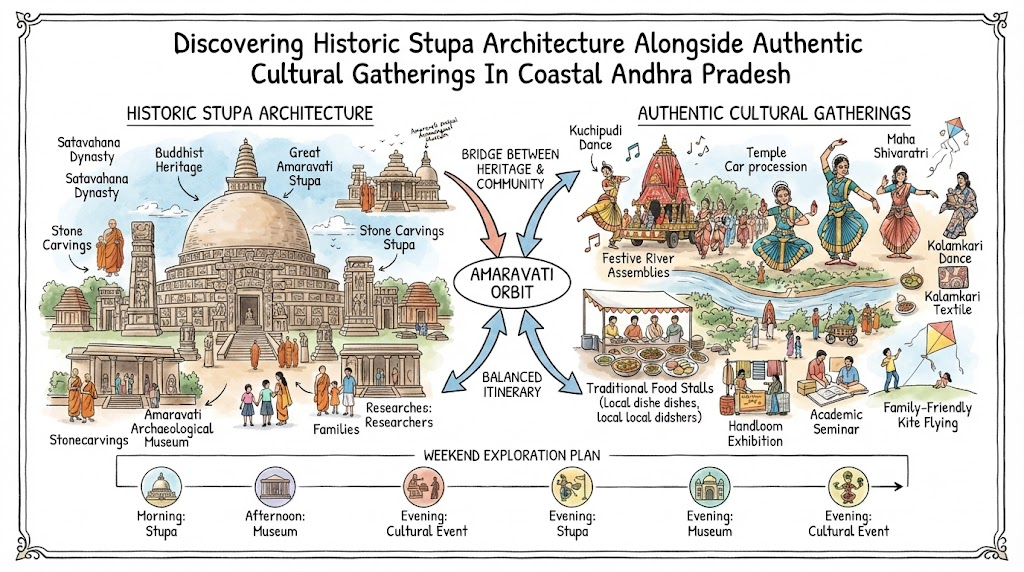
Amaravati, Andhra Pradesh, presents a remarkable travel landscape where ancient Buddhist heritage, sacred temple traditions, archaeological treasures, and serene Krishna River surroundings converge naturally. Visitors journeying through this historic terrain often pursue two interconnected objectives: discovering meaningful tourist attractions and identifying dynamic local gatherings taking place across the capital region. Blending sightseeing with community programs elevates an ordinary itinerary into an immersive cultural exploration. To navigate both historic monuments and dynamic seasonal schedules effortlessly, travelers frequently turn to AmaravatiOrbit as a community discovery resource that highlights current regional happenings alongside timeless landmarks. By balancing archaeological exploration with local engagements, you experience a multi-dimensional perspective of the region. Whether you arrive for quiet spiritual reflection, archaeological research, or a weekend family trip, preparing your itinerary with up-to-date insight ensures a rewarding journey through Andhra Pradesh’s storied heartland.
Amaravati at a Glance
Located along the southern banks of the Krishna River in the Guntur district of Andhra Pradesh, Amaravati stands as a cornerstone of Indian spiritual, political, and architectural history. Long recognized for its historic Amaravati Stupa and profound connection to the Satavahana dynasty, the town flourished as a major center for Mahayana Buddhism and art. Beyond its archaeological marvels, the town holds deep spiritual value with revered Shaivite shrines, attracting pilgrims from across the nation. In contemporary times, the surrounding geographic landscape forms the broader designated capital region of Andhra Pradesh, bringing continuous infrastructural attention while preserving its peaceful riverside character. Understanding these layered dimensions helps travelers appreciate the town’s enduring legacy alongside its evolving regional prominence:
- Geographic Location: Positioned along the fertile Krishna River basin in Guntur district, Andhra Pradesh.
- Historical Significance: Served as an ancient regional seat of power for the Satavahana dynasty.
- Buddhist Heritage: World-renowned center for ancient Buddhist art, sculpture, and monastic studies.
- Spiritual Traditions: Famous for sacred Hindu pilgrimage destinations, notably the historic Amareswara temple.
- Archaeological Importance: Treasure trove of ancient stupas, limestone relief carvings, and preserved relics.
- Regional Identity: Serves as a vital anchor within the developing Andhra Pradesh capital region.
Amaravati Events: What Can You Expect?
The community calendar in Amaravati features an engaging mix of traditional celebrations, academic lectures, art showcases, and public gatherings reflecting its vibrant identity. Visitors frequently encounter religious festivals at prominent temples, monastic remembrance days, educational seminars, lifestyle exhibitions, and sports meets organized across educational campuses and community spaces. Furthermore, seasonal fairs and regional conferences regularly draw diverse crowds from neighboring Vijayawada and Guntur. However, regional event schedules often shift due to weather variations, venue updates, administrative guidelines, or holy calendar adjustments. It is vital for visitors exploring Amaravati events to verify program dates, entry timings, ticket requirements, and venue accessibility beforehand so your sightseeing transitions smoothly into meaningful community participation.
Events in Amaravati for Different Interests
Cultural and Traditional Events
Cultural gatherings in Amaravati celebrate the region’s deep spiritual foundations through classical music concerts, Kuchipudi dance performances, and vibrant temple processions that draw devotees and heritage travelers alike. These events flourish during major spiritual festivals like Maha Shivaratri, offering attendees an authentic glimpse into centuries-old devotional traditions alongside local community rituals.
Educational and Academic Events
Academic programs throughout the region focus primarily on history, archaeological preservation, Buddhist philosophy, and regional urban planning through workshops, youth symposiums, and public lectures. Students, researchers, and curious travelers benefit immensely from these interactive sessions, which frequently feature historians and guest curators detailing the intricate antiquity of regional excavations.
Business and Professional Events
With modern administrative and institutional growth expanding across the region, professional forums, agricultural seminars, industrial meetups, and trade exhibitions have become regular fixtures. These gatherings offer professionals, entrepreneurs, and traveling executives actionable networking spaces to discuss sustainable development, regional trade, technology integration, and educational growth throughout Andhra Pradesh.
Family-Friendly Events
Family gatherings across the capital area include open-air food carnivals, local craft fairs, storytelling sessions, and seasonal celebrations held in spacious recreational areas. When choosing an event for children and elderly family members, prioritize venues that offer adequate shaded seating, clean sanitation amenities, reliable parking, and secure open spaces.
Art, Exhibitions and Workshops
Creative showcases, photography galleries, and hands-on sculpture workshops frequently highlight the world-famous Amaravati school of art, engaging art historians and casual hobbyists. Attending these exhibits enables participants to observe how ancient limestone carving motifs continue inspiring contemporary artisans, while localized workshops offer hands-on craft instruction.
Community and Entertainment Events
Public sports tournaments, weekend musical showcases, and open-air movie screenings provide vibrant leisure alternatives for residents and weekend vacationers looking to unwind. These inclusive social gatherings offer a wonderful window into everyday life, allowing travelers to mingle with hospitable residents in relaxed, friendly, and welcoming environments.
Amaravati Events Today: How to Find Current Activities
Pinpointing daily activities across the region requires an adaptable, proactive approach because spontaneous gatherings, private functions, and community updates rarely maintain static broadcast channels. Schedules fluctuate due to local transport adjustments, temperature variations, or holiday observances, making direct verification vital before heading across town. Before venturing toward a program, verify exact venue directions, confirm whether online registration or gate ticketing is compulsory, and review age guidelines for youth suitability. Travelers should actively cross-check daily announcements through official regional organizers, local destination notice boards, and community bulletin boards rather than assuming past listings remain unaltered. Verifying details immediately prior to departing your hotel or transit point prevents unnecessary detours, ensuring that spontaneous schedule shifts do not disrupt your broader itinerary.
What Is AmaravatiOrbit and What Does It Help Visitors Do?
The digital discovery platform AmaravatiOrbit functions as a centralized destination resource designed to keep residents, regional commuters, and traveling tourists updated on regional activities. By gathering details on upcoming cultural festivals, educational workshops, business conferences, weekend family carnivals, and recreational meetups, the website bridges the information gap between event planners and visitors seeking authentic local engagement. Rather than spending hours piecing together fragmented updates across scattered bulletin boards, users rely on the portal to discover happenings that align with their personal interests. Utilizing the site allows you to evaluate regional activities systematically, turning a standard sightseeing trip into a dynamic experience filled with community interaction.
Why Use AmaravatiOrbit When Planning an Amaravati Visit?
Using a specialized community platform streamlines your itinerary planning by unveiling experiential opportunities that extend far beyond conventional monument sightseeing. Typical guidebooks often overlook temporary artisan markets, monastic cultural lectures, seasonal sports events, and regional fairs, leaving travelers unaware of rich local experiences taking place just minutes away. By incorporating real-time event discovery into your preliminary preparations, you can coordinate your visits around colorful temple processions or specialized weekend exhibitions. This targeted approach saves precious transit time, eliminates guesswork, and allows both independent travelers and families to assemble a balanced schedule uniting historical exploration with lively local experiences.
How to Use AmaravatiOrbit for Event Discovery
Navigating the platform for travel preparation involves a simple, methodical routine designed to help you integrate dynamic activities into your daily sightseeing plans. Begin by visiting the platform and browsing through the updated schedules to discover activities matching your personal interests, dates, and budget. Next, review specific logistics such as start times, geographic venues, dress codes, entry fees, and registration prerequisites to avoid surprises at the gate. Always verify program statuses directly with designated event organizers on the morning of travel to confirm that timing adjustments have not occurred. Finally, map your confirmed activity alongside nearby monuments, creating a seamless, time-effective daily schedule that enhances your travel experience.
Things to Do in Amaravati
- Heritage and Stupa Exploration: Walk around the monumental foundations of the ancient Mahachaitya to admire ancient Buddhist architecture, intricate stone carvings, and peaceful monastic courtyards.
- Archaeological Discovery: Browse curated collections of limestone bas-reliefs, coins, and antique pottery that illustrate daily life under Satavahana rule.
- Temple Pilgrimage: Experience centuries-old spiritual traditions, stone pillars, and ritual ceremonies inside the majestic Dravidian-style Amareswara temple near the riverfront.
- Scenic Riverfront Walks: Unwind alongside the Krishna River, taking in soothing water views, gentle breezes, and tranquil sunset reflections.
- Heritage Photography: Capture striking architectural angles, ancient carvings, scenic water vistas, and serene rural scenes in soft morning light.
- Local Culinary Tasting: Sample authentic Andhra meals, spicy chutneys, fresh tiffins, and sweets served at modest neighborhood eateries.
- Educational Field Walks: Engage in research-oriented tours focusing on ancient trade routes, architectural techniques, and regional Buddhist development.
Places to Visit in Amaravati
- Amaravati Mahachaitya (Great Stupa): The world-renowned ancient monument celebrated for its intricate marble and limestone carvings, standing as a testament to early Buddhist culture.
- Amaravati Archaeological Museum: A curated repository housing remarkable sculptural reliefs, Buddha statues, ancient inscriptions, and relics recovered from excavations.
- Amareswara Swamy Temple: An ancient holy shrine dedicated to Lord Shiva, featuring towering gopurams, intricate pillars, and deep religious significance.
- Dhyana Buddha Statue: An imposing 125-foot seated Buddha sculpture along the riverbank housing an exhibition gallery that illustrates profound Buddhist principles.
- Krishna River Ghats: Scenic embankments ideal for morning strolls, boat crossings, and experiencing traditional life along the historic waterway.
- Undavalli Caves (Nearby Region): Located a short drive away toward Vijayawada, these four-story monolithic rock-cut cave temples showcase fifth-century Indian architecture.
- Kondapalli Fort (Nearby Region): Situated in the surrounding hills, this historic hilltop citadel provides insight into regional defense architecture and traditional wooden toy-crafting traditions.
Amaravati Tourist Places for Different Travelers
For History Lovers
History enthusiasts should dedicate ample time to the Great Stupa and the Archaeological Museum, where intricately carved rail patterns reveal rich Satavahana architectural traditions. Examining these excavated limestone panels offers incredible insight into early trade routes, international Buddhist delegations, and the daily life of ancient monastic communities.
For Spiritual Travelers
Spiritual seekers find profound peace exploring the sanctum of the Amareswara Swamy Temple alongside the contemplative courtyards surrounding the towering Dhyana Buddha installation. The tranquil river atmosphere, coupled with rhythmic devotional chants echoing from historic ghats, provides an uplifting setting for quiet reflection, meditation, and devotional worship.
For Families
Families traveling with children and seniors can enjoy an educational, relaxed outing by combining visits to spacious parklands with interactive museum galleries. The riverside promenade offers safe walking trails, shaded seating, and engaging visual history lessons, ensuring a comfortable, accessible, and entertaining experience for visitors across all age groups.
For Students
Students and academic groups gain firsthand educational exposure to Indian history by studying the epigraphs, brick foundations, and limestone carvings preserved across local archaeological parks. Engaging directly with these centuries-old artifacts brings academic textbooks to life, transforming complex architectural history and cultural anthropology into an inspiring, tangible field experience.
For Photography Enthusiasts
Photographers will appreciate the interplay of morning light against the weathered stone surfaces of ancient stupa ruins, complemented by scenic vistas along the river. Sunrise along the Krishna River banks presents vibrant compositions featuring traditional fishing craft, river mist, lush green landscapes, and graceful temple silhouettes.
For Weekend Travelers
Weekend visitors seeking a refreshing break from busy urban environments can easily cover core Buddhist attractions, enjoy authentic local dining, and relax by the water. The town’s accessible layout allows travelers to enjoy an unhurried, culturally rich getaway without the stress of extensive travel between sightseeing stops.
Amaravati Tourism: Heritage Meets Modern Development
Amaravati tourism presents an intriguing convergence where ancient historical heritage blends naturally with modern regional planning across coastal Andhra Pradesh. For centuries, pilgrims and antiquarians journeyed here drawn by sacred river rituals and early Buddhist wisdom; today, expanded roads and improved amenities welcome modern travelers. This thoughtful regional evolution enhances visitor accessibility while safeguarding the integrity of ancient monastic grounds and historic shrines. Travelers now encounter well-maintained museum installations, organized riverfront zones, and evolving urban connectivity, all set against a backdrop of fertile farmland and timeless waterways. As regional development continues thoughtfully, the area balances progressive civic growth with the timeless preservation of its archaeological identity.
Amaravati Travel Guide: Planning Your Visit
A well-structured trip to the region typically requires one to two days to explore major historical sites, visit museums, and enjoy local cultural events at an unhurried pace. Travelers based in nearby hubs like Vijayawada or Guntur can easily take advantage of regular road transit, private taxis, and state bus services to reach the historic core within an hour. When packing, select lightweight cotton attire, supportive walking shoes for stone courtyards, and sun protection including hats, sunglasses, and refillable water bottles. Maintain respectful decorum inside religious sanctuaries by taking off footwear where required, dressing modestly, and asking permission before photographing worshipers or sensitive temple ceremonies.
Amaravati Experience Planner
| Experience | Best For | Suggested Time | Planning Tip |
| Amaravati Stupa Ruins | Archaeology buffs and history lovers | 1.5 to 2 Hours | Arrive early morning to explore stone carvings in pleasant daylight. |
| Archaeological Museum | Students and researchers | 1 to 1.5 Hours | Verify museum operating days and purchase entry tickets at the counter. |
| Amareswara Swamy Temple | Pilgrims and cultural enthusiasts | 1 to 1.5 Hours | Dress modestly and avoid peak midday aarti hours if avoiding crowds. |
| Dhyana Buddha Complex | Families and leisure strollers | 1 to 2 Hours | Visit during late afternoon to enjoy cool riverfront breezes. |
| Krishna River Ghats | Nature lovers and photographers | 45 Minutes | Best experienced at sunrise for golden lighting and scenic views. |
| Local Culinary Walk | Food enthusiasts and travelers | 1 Hour | Choose popular neighborhood tiffin centers for freshly made regional dishes. |
One-Day Amaravati Itinerary
Begin your morning tour by visiting the historic Amaravati Stupa just as the gates open, allowing you to examine the ancient brick foundations and stone carved railings in the cool morning air. Transition by late morning to the nearby Archaeological Museum to study preserved limestone friezes, reliquaries, and sculptures recovered from surrounding monastic sites. Enjoy an authentic Andhra thali lunch at a local dining spot before proceeding to the ancient Amareswara Swamy Temple to admire its towering Dravidian architecture and serene riverside atmosphere. Conclude your day around the majestic Dhyana Buddha complex, watching the sunset over the Krishna River while reflecting on the town’s remarkable, multifaceted history.
Weekend Amaravati Itinerary
Spend the first day exploring the central historical landmarks, beginning with the Great Stupa, the Archaeological Museum, and the historic riverfront temples before sampling regional street foods. On the second morning, head toward the impressive rock-cut Undavalli Caves nearby to study the fifth-century multi-tiered architecture and panoramic river-valley vistas. Spend the afternoon discovering nearby artisan villages like Kondapalli to observe world-famous wooden toy crafting traditions or explore seasonal exhibitions listed on regional community calendars. Wrap up your weekend getaway with a peaceful evening stroll along the illuminated riverside embankments, taking home lasting memories of Andhra Pradesh’s rich heritage.
Real-Life Scenarios: How Different Visitors Can Experience Amaravati
- The Weekend Explorer from Vijayawada: A visitor seeking a break from city life catches an early morning bus, spends the morning exploring the stupa ruins, enjoys a spicy local lunch, and attends an afternoon photography showcase before heading home by sunset.
- The Academic Research Scholar: A university student travels to the region for two days, spending focused hours analyzing antique stone inscriptions at the museum, consulting local heritage literature, and documenting brick masonry techniques across archaeological sites.
- The Multigenerational Family Tour: Grandparents, parents, and children hire a car from Guntur, dividing their day between sacred temple rituals, a scenic picnic lunch near the river, and an engaging walk around the Dhyana Buddha park.
Event Planning Checklist
| What to Check | Why It Matters | What the Traveler Should Do |
| Event Date | Schedules may change due to public holidays. | Double-check listings directly with organizers prior to travel. |
| Timing & Sessions | Entry times and performances change frequently. | Arrive 20 minutes before scheduled start times to secure seating. |
| Exact Venue | Many venues share similar institutional titles. | Confirm landmark directions on navigation maps beforehand. |
| Registration Needs | Certain academic or cultural events mandate passes. | Complete online booking or seat reservations days in advance. |
| Entry Charges | Some exhibitions require ticketing at the gate. | Carry sufficient cash or digital payment apps for ticket counters. |
| Age Appropriateness | Certain programs cater specifically to adult crowds. | Review event guidelines to ensure activities fit your children. |
| Parking Facilities | Heritage areas often have restricted vehicle zones. | Identify verified parking zones near the venue beforehand. |
| Inclement Weather | Rain can cause outdoor venue cancellations. | Confirm rain backup venues during active monsoon seasons. |
Common Mistakes to Avoid When Visiting Amaravati
- Rushing Your Itinerary: Attempting to rush through the monuments in two hours prevents you from appreciating intricate sculptural details and serene heritage courtyards.
- Visiting Midday in Peak Summer: Exploring open-air archaeological zones under high noon heat can be physically exhausting without adequate shade or hydration.
- Skipping Museum Working Hours: Forgetting that archaeological museums frequently close on select weekdays leaves travelers disappointed upon arrival.
- Wearing Impractical Footwear: Opting for stiff formal shoes instead of supportive walking footwear makes traversing stone steps and dirt trails uncomfortable.
- Disregarding Religious Dress Codes: Entering ancient sanctums wearing overly casual beachwear causes discomfort and conflicts with traditional pilgrim customs.
- Overlooking Cash Needs: Depending entirely on electronic payments at small village stands can cause issues when network connectivity slows down.
- Confusing Historic and Modern Zones: Mistaking new capital administrative hubs for the historic heritage village leads to confusing transit detours.
- Neglecting Schedule Verification: Assuming cultural programs will run on schedule without checking daily notices often leads to wasted travel time.
Practical Tips for a Better Amaravati Visit
- Start Early in the Day: Begin outdoor walking tours around 8:00 AM to enjoy comfortable weather and capture clean, crowd-free photographs.
- Carry Ample Drinking Water: Bring a reusable, insulated water bottle to maintain hydration while exploring sunlit outdoor ruins and temple plazas.
- Hire Knowledgeable Local Guides: Engage authorized heritage guides at archaeological entrances to understand the complex symbolism carved into ancient limestone panels.
- Plan Transportation in Advance: Arrange return taxi or cab bookings ahead of time if staying until late evening, as on-demand cabs can be limited.
- Carry Light Sun Gear: Pack an umbrella, wide-brimmed hat, sunglasses, and sunscreen to protect yourself during afternoon walking tours.
- Follow Photography Guidelines: Pay attention to signboards at religious sanctums and museum galleries that restrict flash photography or video recording.
- Sample Regional Dining: Visit local eateries to taste authentic Andhra tiffins like hot dibba rotti, pesarattu, and aromatic filter coffee.
- Dress Modestly: Wear lightweight, breathable cotton clothing that covers your shoulders and knees to feel comfortable across both urban and religious sites.
- Keep Travel Schedules Flexible: Allow extra time in your afternoon schedule to adjust for spontaneous festival processions or leisurely river strolls.
How AmaravatiOrbit Fits Into a Travel Plan
- Before the Trip: Check event schedules to align your travel dates with upcoming festivals, exhibitions, or weekend markets.
- During Itinerary Planning: Coordinate your morning monument tours with afternoon seminars or community shows, avoiding unnecessary travel back and forth across town.
- Before Departing Your Hotel: Quickly verify event notices and location details on your phone to confirm no sudden schedule changes have occurred.
- During Your Exploration: Discover nearby artisan markets, cultural shows, or sports activities happening around your current sightseeing location.
Frequently Asked Questions
1. Where is historic Amaravati located within Andhra Pradesh?
Amaravati is located along the southern banks of the Krishna River in Guntur district, approximately 35 kilometers northwest of Vijayawada. It serves as an essential historical anchor within the broader designated capital region of Andhra Pradesh, offering convenient road access from major transit hubs.
2. How can tourists find current cultural events happening in the area?
Travelers can check regional community portals, visit temple administration notice boards, consult local tourism centers, and browse digital discovery platforms like AmaravatiOrbit. Verifying dates directly through event listings ensures you catch authentic cultural programs, seasonal celebrations, and academic workshops without unexpected schedule conflicts during your visit.
3. What is the historic Amaravati Stupa famous for globally?
The Amaravati Mahachaitya is internationally celebrated as a masterpiece of ancient Buddhist architecture dating back to the Satavahana era. The site is renowned for its intricate limestone reliefs depicting Jataka tales, early monastic traditions, and its profound influence on Buddhist sculpture across Southeast Asia.
4. Is Amaravati suitable for a one-day family trip?
Yes, the town’s compact geographic footprint makes it an ideal destination for a comfortable single-day family outing. You can effortlessly explore the Great Stupa, visit the Archaeological Museum, admire the Dhyana Buddha statue, and enjoy a relaxing riverfront stroll together within six to eight hours.
5. What are the typical timings for the Archaeological Museum?
The Amaravati Archaeological Museum generally opens to the public from 9:00 AM to 5:00 PM, though it remains closed on Fridays and national holidays. Travelers should always verify operating days beforehand and plan to arrive during the morning hours to explore the indoor galleries comfortably.
6. What dining options are available for visiting travelers?
Visitors will find numerous casual dining places, traditional tiffin centers, and family-run canteens serving authentic vegetarian and non-vegetarian Andhra cuisine. While upscale fine-dining establishments are limited in the village, travelers enjoy fresh regional dishes, spicy snacks, and traditional South Indian filter coffee near the main bus station.
7. What is the best season to plan a holiday trip to the town?
The ideal period to visit is during the cooler winter months between October and March, when daytime temperatures remain pleasant for outdoor walking. Visiting during peak summer months between April and June can prove challenging due to high heat and strong afternoon sunshine across open archaeological grounds.
8. Are there decent accommodation options located directly within the town?
The town offers modest pilgrim guesthouses, small lodges, and community rest houses, though inventory is relatively basic. Most international travelers, families, and business professionals prefer staying at star-category hotels in neighboring Vijayawada or Guntur, making the easy forty-minute road trip into town for daytime sightseeing.
9. How should travelers dress when touring temples and Buddhist monuments?
Visitors should dress modestly out of respect for local spiritual customs, wearing comfortable clothing that covers both shoulders and knees. Choose easy-to-slip-off footwear since shoes must be left at the entrance of active temples and select historical monuments throughout the region.
10. Can travelers navigate the tourist attractions without hiring private cars?
Local auto-rickshaws, shared three-wheelers, and frequent state-run buses connect the primary attractions, making basic budget travel straightforward. However, renting a private taxi from Vijayawada or Guntur offers significantly greater scheduling flexibility, air-conditioned comfort, and easier access to outlying riverside destinations throughout the day.
11. Does the Dhyana Buddha statue area require tickets for entry?
The Dhyana Buddha park generally charges a nominal entry fee at the gate to assist with continuous garden maintenance and monument preservation. Visitors can walk around the landscaped grounds, take photographs, and browse the small theme gallery housed beneath the giant seated statue at an easy pace.
12. Are professional cameras permitted inside the historical ruins?
Standard non-commercial photography with mobile phones and personal cameras is generally allowed around the open stupa grounds, though tripods and commercial video gear require prior permits. Remember that photography is strictly prohibited inside the main sanctum of the Amareswara Swamy Temple and specific museum galleries.
CONCLUSION
Amaravati provides visitors with an enriching travel experience where centuries of Buddhist history, sacred temple rituals, and scenic river landscapes come together naturally. Exploring beyond single monuments reveals a deeper cultural destination, rewarding travelers who take time to engage with archaeological discoveries and local traditions alike. Combining monument visits with lively community programs lets you experience both ancient roots and modern regional life across a single day trip or weekend visit. Engaging with local discovery platforms like AmaravatiOrbit makes it simple to discover upcoming cultural programs, art exhibits, and weekend festivals, helping you enjoy an authentic, memorable stay in this historic corner of Andhra Pradesh.
